

Wednesday, September 5, 2012

See you tonight!
| ||||||||||||||||||||||||


Tuesday, August 28, 2012
August 28th Newsletter
|


| ||||||||||||||||||||||||||||||


 Congratulations to our fellow Zumba mama Cheryl for winning the August "Giving Back" drawing. Don't forget, this is an on going fundraiser. Just bring in a non-perishable food item to class and for each item you donate, you get entered into the raffle drawing. Winners will be announced the end of each month.

My new schedule starts the first week in September. I have added two aditional classes, Wednesday evenings @ 8pm (*Savage,MD) and Thursdays @ 10am.(One For All Dance) More opportunities for you to get fit See you there.
*Please note that the Savage location is less than 10 minutes from our current location. Click below for directions from our current location.

Friday, August 24, 2012
New Zumba Bracelets!!
New ZUMBA BRACELETS are in stock now at ZUMBA.COM. You can't beat the price anywhere., get yours using the link below for 10 percent off! New Jingle Bracelets coming soon!
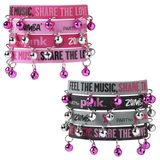
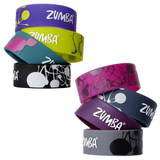
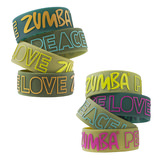
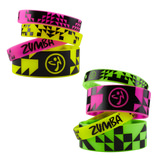
More Zumba Jingle Bracelets coming soon to ZUMBA.COM . Use code "nefertiti" for 10 percent off your purchase or go to the link below
Eating For Peak Performance

Whether you are hitting the gym for just 30 minutes or are training for a triathlon, what you eat can greatly impact your performance. The base of any athlete’s diet should consist of unprocessed wholesome foods and incorporate a mixture of carbohydrates, proteins and fats.
Carbohydrates are the body’s preferred fuel source and are crucial for endurance exercise and optimal performance – they provide fuel for the muscles and help prevent fatigue. Whole grains, fruits, starchy vegetables, legumes, and nonfat or low-fat milk and yogurt are all great sources of carbohydrates. Fruits and vegetables are also packed with vitamins, minerals and fiber, as well as phytochemicals and antioxidants which help with post-exercise recovery and muscle repair.
Protein is also a necessary component of an athlete’s diet and is critical for muscle building and recovery. Lean protein sources include white meat poultry, fish, lean beef, eggs, nuts, nut butters, beans, cheese, and soy. However, more protein does not mean better performance- so get off the high protein/low carbohydrate diet bandwagon! When it comes to animal protein, a serving should fit in the palm of your hand. Also, to stimulate muscle growth, it is best to evenly distribute your protein intake throughout the day, rather than eating a very large portion at one meal.
Fat is also an essential component of an athlete’s diet. Opt for mostly “good” fats, such as olive oil, canola oil, nuts, nut butters, and avocado. Also, aim to eat fatty fish (such as salmon, tuna and sardines) 2-3 times a week for their omega 3 fatty acids, which help decrease the risk of heart disease and stroke. Limit unhealthy fats such as fried foods, fatty meats and full-fat dairy products
TIMING IS EVERYTHING! (What to eat before, during and after your workouts)
Before Exercise
Eating too much or too little before exercising may hamper your performance. Eating too much can cause you to feel sluggish or have an upset stomach, cramping or diarrhea. This happens when both your muscles and your digestive system are competing for energy to do their jobs. On the other hand, not eating before you exercise can leave you feeling weak, tired or faint due to low blood sugars.
When planning your pre-workout meals and snacks, time when you eat with how much and what you eat. Eat large meals 3-4 hours before working out and have smaller meals 2-3 hours prior. When eating close to a workout, reach for carbohydrate rich foods with a little bit of lean protein. To help prevent GI distress, avoid foods that are high in fiber, sugar or fat and foods that cause gas – all of which may cause indigestion.
During Exercise
If your workout lasts less than an hour, no food or sports drink is necessary during the run…plain old water is sufficient (see below for specific hydration tips). In fact, if your workouts are not longer than an hour and weight loss or maintenance is one of your goals, consuming calories during your workout will likely counter (and may even exceed) your calorie burn during the workout! However, if your workout is longer than an hour, then you may need to replenish with carbohydrates and electrolytes in addition to fluids during the workout—a sports drink is one suitable option here.
After Exercise
To help your muscles recover and to replace their glycogen (carbohydrate) stores, eat a meal or snack that contains both carbohydrates and protein within 1-2 hours of your exercise session. Examples of good post-workout meals and/or snacks include an appropriate portion of:
Peanut butter, honey and banana sandwich
Fruit salad with yogurt
Turkey, cheese and apple slices
Hummus on pita
Minestrone soup with crackers and cheese
Hydration
Proper hydration is just as important as proper nutrition in promoting ideal performance—before, during, and after runs. While UNDER-hydration is dangerous, there are also dangers to OVER-hydration. Hyponatremia, a condition caused by over-hydration, can lead to fatigue, nausea, confusion, and possibly death. The chart below contains guidelines to help ensure that you are maintaining a good fluid balance.
*If concerned about whether or not you are rehydrating appropriately, weigh yourself without clothes on before and immediately after your workouts; for every pound lost drink 2 cups of water. This amount will vary depending on sweat rate, the temperature, humidity, and workout duration and intensity.
Alyse’s Advice
When it comes to eating and exercise, everyone is unique – so modify the above general recommendations with your unique food preferences and tolerances. Let your experience guide you on which pre- and post-exercise snacks and meals work best for you.
Carbohydrates are the body’s preferred fuel source and are crucial for endurance exercise and optimal performance – they provide fuel for the muscles and help prevent fatigue. Whole grains, fruits, starchy vegetables, legumes, and nonfat or low-fat milk and yogurt are all great sources of carbohydrates. Fruits and vegetables are also packed with vitamins, minerals and fiber, as well as phytochemicals and antioxidants which help with post-exercise recovery and muscle repair.
Protein is also a necessary component of an athlete’s diet and is critical for muscle building and recovery. Lean protein sources include white meat poultry, fish, lean beef, eggs, nuts, nut butters, beans, cheese, and soy. However, more protein does not mean better performance- so get off the high protein/low carbohydrate diet bandwagon! When it comes to animal protein, a serving should fit in the palm of your hand. Also, to stimulate muscle growth, it is best to evenly distribute your protein intake throughout the day, rather than eating a very large portion at one meal.
Fat is also an essential component of an athlete’s diet. Opt for mostly “good” fats, such as olive oil, canola oil, nuts, nut butters, and avocado. Also, aim to eat fatty fish (such as salmon, tuna and sardines) 2-3 times a week for their omega 3 fatty acids, which help decrease the risk of heart disease and stroke. Limit unhealthy fats such as fried foods, fatty meats and full-fat dairy products
TIMING IS EVERYTHING! (What to eat before, during and after your workouts)
Before Exercise
Eating too much or too little before exercising may hamper your performance. Eating too much can cause you to feel sluggish or have an upset stomach, cramping or diarrhea. This happens when both your muscles and your digestive system are competing for energy to do their jobs. On the other hand, not eating before you exercise can leave you feeling weak, tired or faint due to low blood sugars.
When planning your pre-workout meals and snacks, time when you eat with how much and what you eat. Eat large meals 3-4 hours before working out and have smaller meals 2-3 hours prior. When eating close to a workout, reach for carbohydrate rich foods with a little bit of lean protein. To help prevent GI distress, avoid foods that are high in fiber, sugar or fat and foods that cause gas – all of which may cause indigestion.
During Exercise
If your workout lasts less than an hour, no food or sports drink is necessary during the run…plain old water is sufficient (see below for specific hydration tips). In fact, if your workouts are not longer than an hour and weight loss or maintenance is one of your goals, consuming calories during your workout will likely counter (and may even exceed) your calorie burn during the workout! However, if your workout is longer than an hour, then you may need to replenish with carbohydrates and electrolytes in addition to fluids during the workout—a sports drink is one suitable option here.
After Exercise
To help your muscles recover and to replace their glycogen (carbohydrate) stores, eat a meal or snack that contains both carbohydrates and protein within 1-2 hours of your exercise session. Examples of good post-workout meals and/or snacks include an appropriate portion of:
Peanut butter, honey and banana sandwich
Fruit salad with yogurt
Turkey, cheese and apple slices
Hummus on pita
Minestrone soup with crackers and cheese
Hydration
Proper hydration is just as important as proper nutrition in promoting ideal performance—before, during, and after runs. While UNDER-hydration is dangerous, there are also dangers to OVER-hydration. Hyponatremia, a condition caused by over-hydration, can lead to fatigue, nausea, confusion, and possibly death. The chart below contains guidelines to help ensure that you are maintaining a good fluid balance.
| Timing | Amount of Water |
| 2 hours before workout | 2 cups |
| 10-15 minutes before workout | 1-2 cups |
| Every 15-20 minutes during workout | 1/3 – ½ cup |
| Immediately after workout | 1-3 cups* |
Alyse’s Advice
When it comes to eating and exercise, everyone is unique – so modify the above general recommendations with your unique food preferences and tolerances. Let your experience guide you on which pre- and post-exercise snacks and meals work best for you.
Alsye Levine MS,RD
Friday, August 17, 2012
Zumba Fitness: Sure It’s Fun But Is it Effective?
By Mary Luettgen, M.S., John P. Porcari, Ph.D., Carl Foster, Ph.D., Richard Mikat, Ph.D., and Jose Rodriguez-Morroyo, Ph.D.
Zumba fitness has quickly grown to one of the most popular group exercise classes on the planet. In fact, the Latin-dance inspired workout is reportedly performed by more than 12 million people at 110,000 sites, in 125 countries around the world.

“Ditch the Workout – Join the Party!” That’s the marketing slogan for Zumba fitness, which attracts exercisers with a fun fusion of dance moves from styles like Salsa, Merengue, Reggaeton and Flamenco, and the sort of choreography you might see in a nightclub.
“Historically, aerobic dance was always like paint by the numbers,” says John Porcari, Ph.D., of the University of Wisconsin-La Crosse’s Department of Exercise and Sport Science. “I think sometimes people get frustrated if dance steps get too intricate and complicated. But Zumba fitness leaves more room for interpretation. And it’s non-judgmental. You don’t have to move exactly like the instructor. It’s more like dancing in a club—people can just move the way they want.”
Father Zumba
 The craze now known as Zumba fitness is said to have started as a mistake by Colombian trainer Alberto "Beto" Perez. One day in the mid-90s, Beto reportedly forgot to bring his regular aerobics-style music tape to the group exercise class he was leading. With no music and a class to teach, he raced back to his car and scrounged up a cassette tape of Latin dance music. As the lively beats of Merengue and Rumba rang out, Beto drew upon his experience dancing in Salsa clubs and choreographing for local artists. Soon he was leading his pupils through a fun series of dance steps—and Rumbacize was born. It was an instant hit, and quickly became the most popular class at his gym. In 1999, Beto brought Rumbacize with him when he moved to Miami. It immediately caught on there as well and, with the help of a pair of entrepreneurs, Beto rebranded his class and transformed it into the global franchise that is Zumba fitness today.
Just because Zumba fitness is fun, however, doesn’t necessarily mean it’s an effective workout. Despite its immense popularity, to date very little research has been done to document the potential benefits of this form of aerobic dance. So the American Council on Exercise, the nation's Workout Watchdog®, commissioned Dr. Porcari and his team of exercise scientists to determine whether Zumba fitness provides a workout, a party or both.The Study
Led by Porcari and Mary Luettgen, M.S., researchers from the University’s Department of Exercise and Sport Science set out to determine the average exercise intensity and energy expenditure during a typical Zumba fitness class. First they recruited 19 healthy female volunteers, ages 18 to 22, all of whom had previous experience participating in Zumba classes.
To establish a baseline of fitness for the study subjects, each performed a maximal treadmill test that measured heart rate (HR) and oxygen consumption VO2. This test also enabled researchers to develop individual linear regression equations for each subject to predict their VO2 based on HR readings. This was key because standard metabolic testing gear is bulky and wearing it would encumber the subjects’ ability to dance and properly participate in the Zumba class.
After the treadmill testing, each subject participated in a single Zumba session while equipped with a heart-rate monitor. While the class length varied from 32 to 52 minutes depending on which day it was conducted, the same Zumba-certified instructor taught all of the sessions.
The ResultsAfter crunching the resulting data, researchers found that participating in a single Zumba fitness class burned an average of 369 calories or about 9.5 kcal per minute (Table 1).
Table 1. Exercise Responses to a Zumba fitness Class
| |||
Variable
| Mean ± SD |
Range
| |
Workout Time (min:sec)
|
38:48 ± 4:53
| 32–52 | |
HR (bpm)
|
154 ±14.1
|
127–177
| |
% HRmax
|
80 ± 7.0
|
65–89
| |
Estimated VO2 (mL/kg/min)
|
30.9 ± 6.19
|
21.2–42.1
| |
% VO2max
|
64 ± 10.5
| 40–82 | |
METs
|
8.8
|
6.1–12.0
| |
Kcal/min
|
9.5 ± 2.69
| 5.1–15.3 | |

“If we look at the heart-rate monitor strips from the Zumba fitness session, they kind of look like interval workouts, going back and forth between high intensity and low intensity,” says lead researcher Mary Luettgen, M.S. “Because of that, with Zumba you burn a lot of extra calories compared to a steady-state exercise like jogging.”
As for the average estimated percentage of VO2max, the subjects averaged 64 percent of VO2max, which is well within industry recommendations of 40 percent to 85 percent of VO2max for improving cardio endurance.
Of particular note is that HRmax and VO2max responses for all of the subjects fell within the range of industry guidelines, despite the fact that there was a wide range of fitness levels among the subjects.
The Bottom Line
Zumba fitness may feel like a party, but this research suggests that it’s also a highly effective workout.
“It’s a total-body exercise—a good, high-energy aerobic workout,” explains Dr. Porcari. “Zumba fitness is also good for core strengthening and flexibility gains because there are lots of hip and midsection movements.”
With subjects burning an average of 369 calories per class, Zumba fitness is also a fine choice for those who are looking to drop a few pounds or maintain their current weight levels. In comparison with other exercises tested in the past by the University’s Department of Exercise and Sport Science, Zumba burns more calories than cardio kickboxing, step aerobics, hooping and power yoga (Figure 2).

Bottom line, Zumba fitness is an effective interval-style, full-body workout with built-in variety because every class and every instructor is slightly different. Equally important is the notion that Zumba classes are entertaining, which means exercisers are busy burning calories and getting fit while enjoying the fun of Latin dancing.
Sounds like our kind of party.
This study was funded solely by a grant from the American Council on Exercise (ACE).
ACE recommends that, before engaging in any exercise regimen for the first time, individuals consult with their doctors.
Subscribe to:
Posts (Atom)